The Evidence-Based ADHD Supplement Stack (No Hype)
Table of Contents
The Big Picture
No supplement will replicate the targeted neurological effects of prescription medication. That is not what they are for. The supplements with genuine clinical backing work by correcting deficiencies that are common in ADHD brains, reducing the side effects of stimulant use, and supporting the systems that medication does not directly address such as sleep, mineral balance, and stress regulation. The ones that do not have this backing tend to work primarily through caffeine or placebo.
In Depth
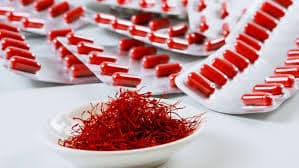
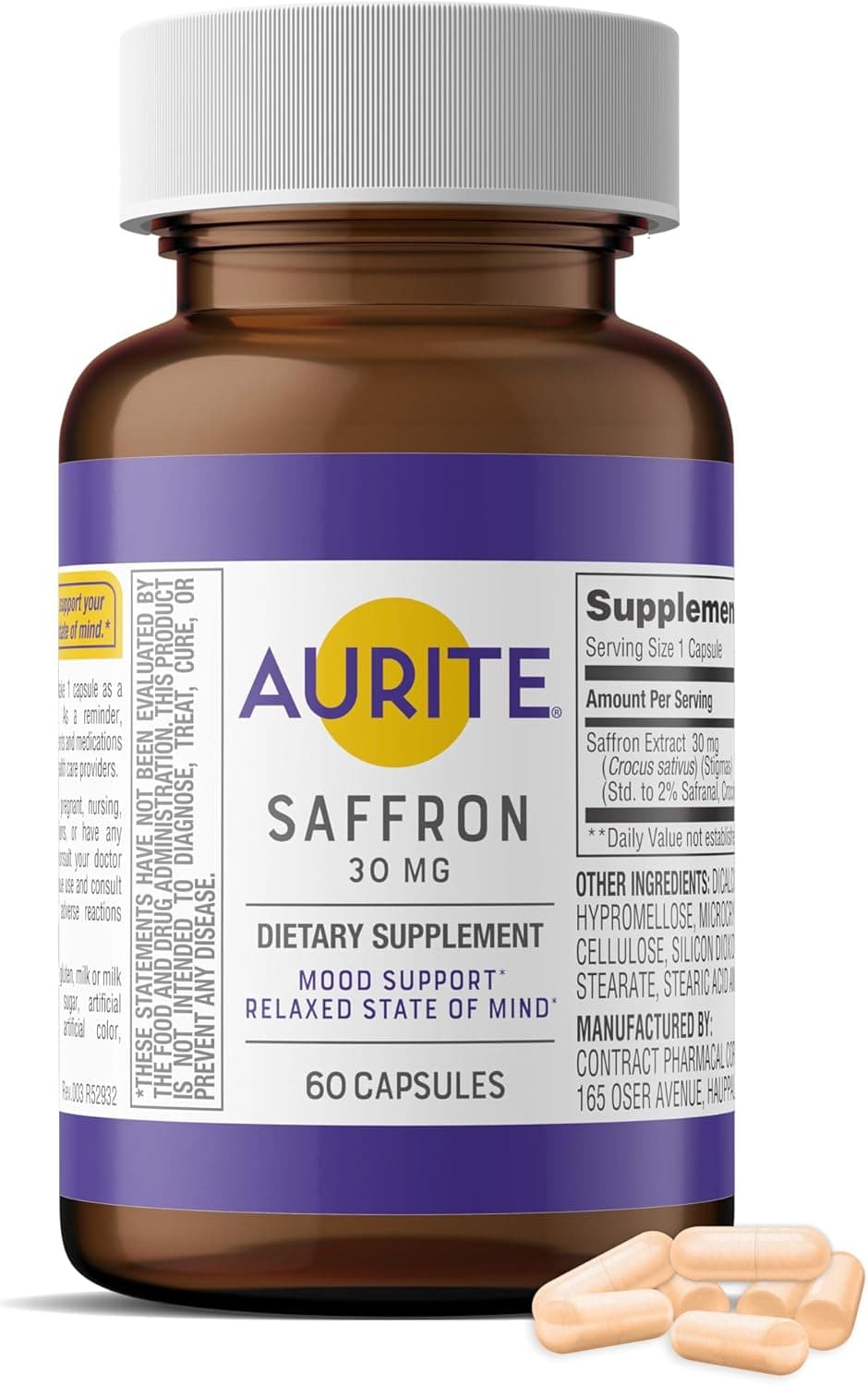
Saffron is the only natural compound ever shown to match prescription methylphenidate in a head to head clinical trial. It sits at the top of the evidence ranking for this reason. Below it, magnesium and omega 3 fatty acids have strong evidence for correcting deficiencies that are measurably more common in people with ADHD and that directly affect how well medication works. Zinc has good evidence for reducing hyperactivity and for allowing lower effective doses of stimulants. ALCAR has specific evidence for the inattentive subtype and for supporting dopamine receptor health during long term stimulant use.
The Science
The supplements with moderate evidence such as vitamin D, creatine, and ashwagandha are worth considering depending on your specific situation. Vitamin D is most relevant if you live in a northern climate or rarely get sunlight. Creatine is most relevant if you are sleep deprived regularly. Ashwagandha is most relevant if your primary complaint is physical anxiety or elevated heart rate while medicated. Below these, the low evidence category includes supplements like L-tyrosine and alpha GPC which have theoretical mechanisms and some anecdotal support but lack the controlled trials needed to make confident recommendations.