Vitamin C Before Ritalin: Why the Timing Matters More Than the Dose
Table of Contents
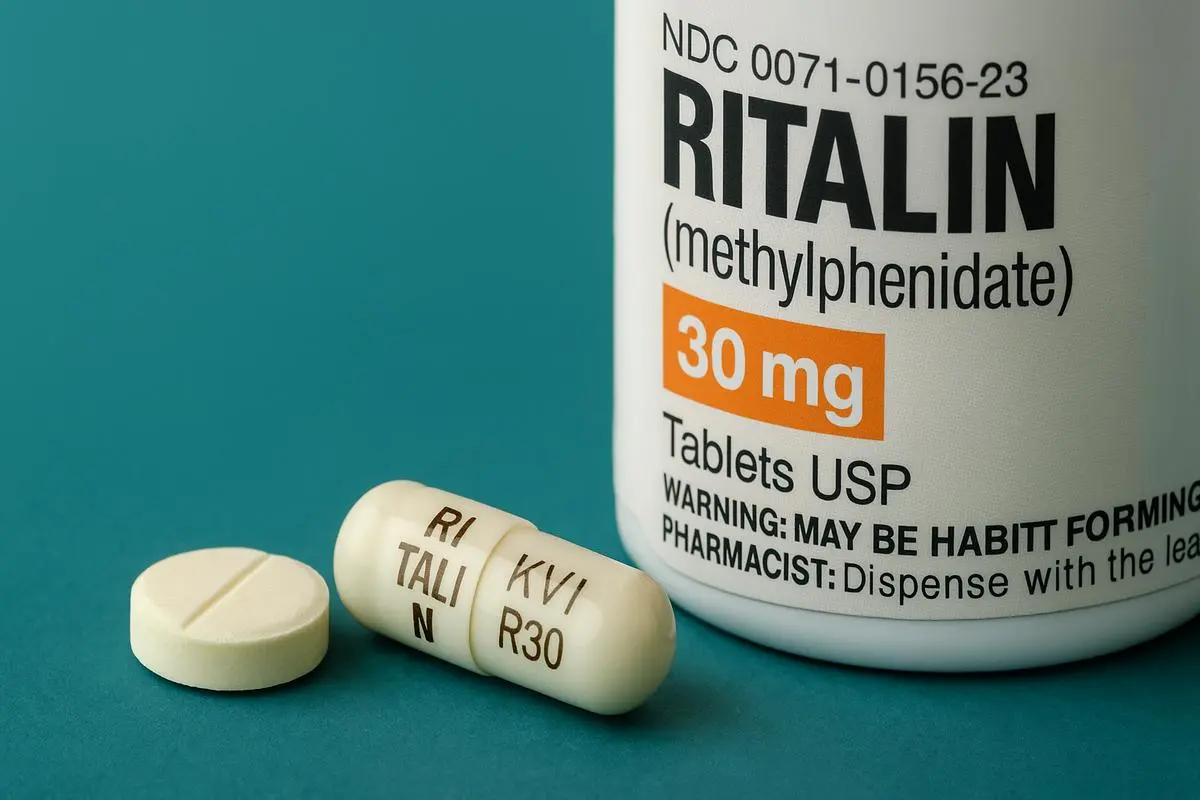
A common piece of advice in ADHD communities is to strictly avoid Vitamin C (ascorbic acid) around the time you take your medication. While this advice is incredibly important for users of amphetamine-based stimulants like Adderall or Vyvanse, it does not apply in the exact same way to Ritalin.
Ritalin is methylphenidate, not an amphetamine salt. The pharmacology governing its absorption and excretion is entirely different.
The pH Myth for Methylphenidate
Amphetamines are highly alkaline. Consuming acidic substances like Vitamin C drastically lowers gastrointestinal pH, which actively destroys the amphetamine molecule before it can enter the bloodstream and accelerates its excretion through urine.
Methylphenidate does not suffer from this specific vulnerability. Pharmacokinetic literature demonstrates that while extreme pH shifts can theoretically cause non-enzymatic degradation over long periods, normal dietary amounts of ascorbic acid do not practically impact the immediate absorption or half-life of methylphenidate in the human body.
How to Use Vitamin C
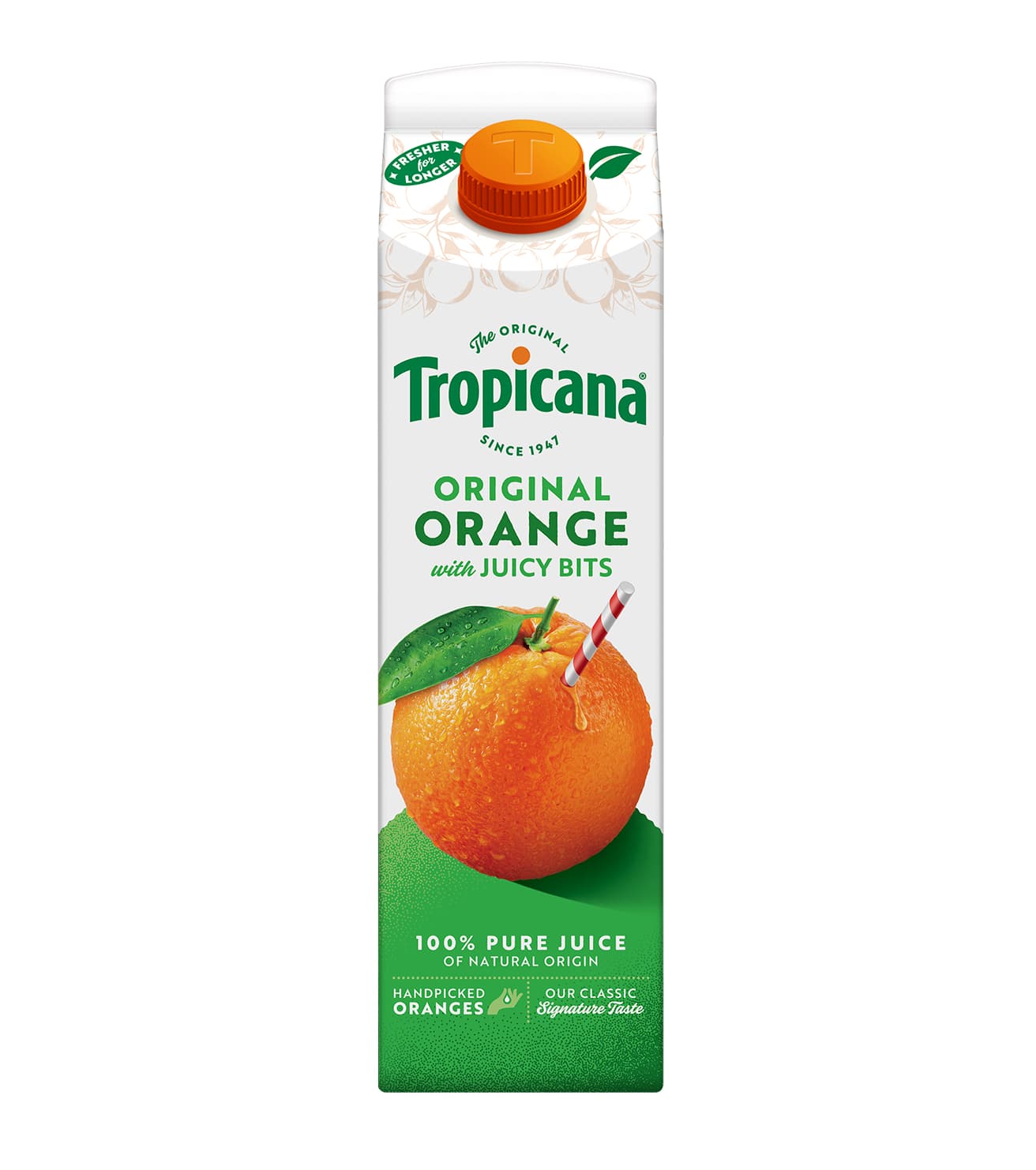
You do not need to meticulously space out your Vitamin C supplement or avoid orange juice at breakfast if you take Ritalin, Concerta, or Focalin. It will not flush the medication out of your system prematurely.
However, Vitamin C remains an essential antioxidant for stimulant users. The increased metabolic rate driven by daily Ritalin usage creates elevated oxidative stress in the brain and body. Supplementing with a high-quality Vitamin C acts as a necessary neuro-protectant against this daily wear and tear.
For optimal health, take 500mg to 1000mg of Vitamin C daily. You can safely take it alongside your morning Ritalin dose or with dinner without fearing that you are sabotaging your ADHD symptom management.