Caffeine and ADHD Medication: How to Use It Without Wrecking Your Sleep
Moderate Efficacy
Table of Contents
The Big Picture
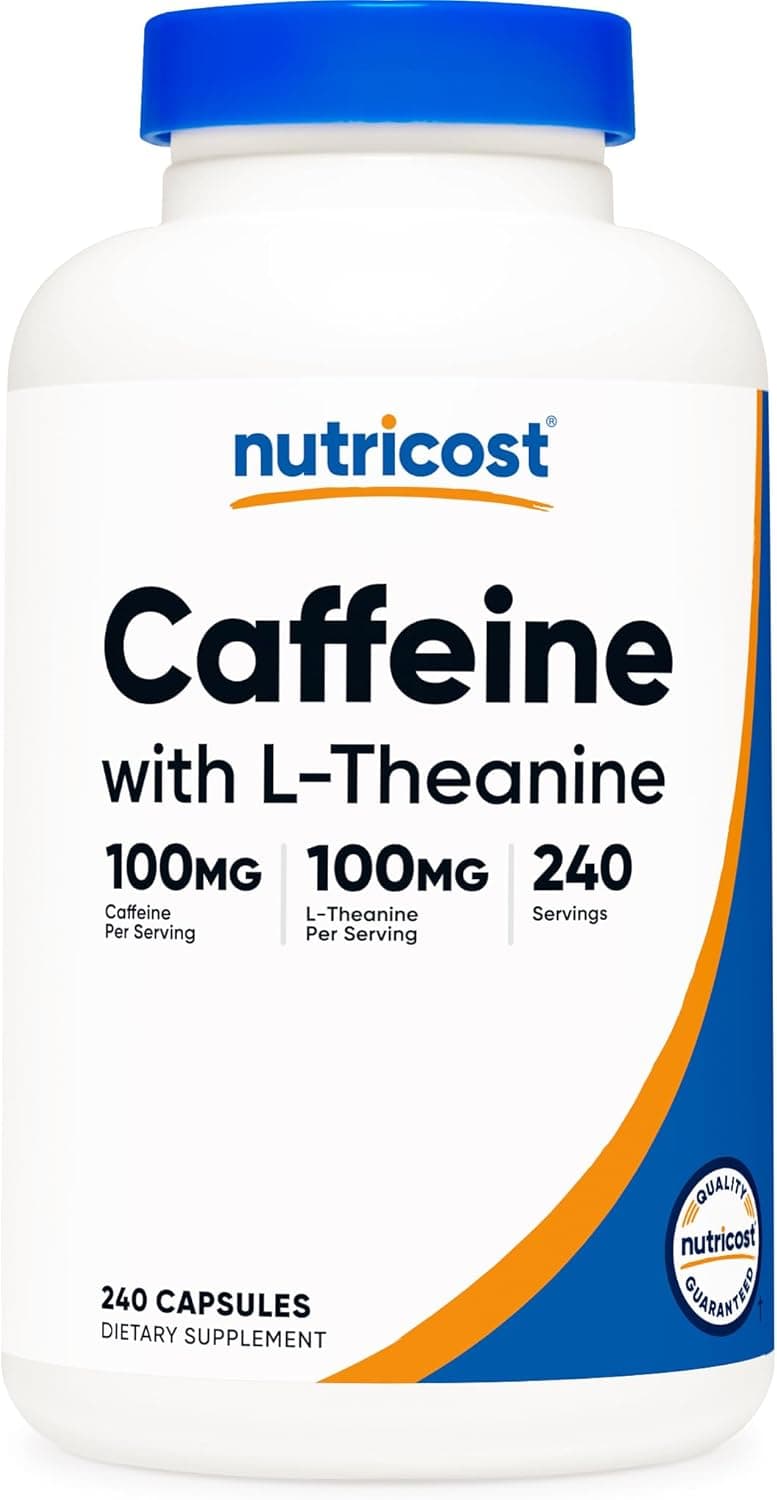
For those with mild ADHD or general difficulty focusing, low-dose caffeine (less than 100mg) may help with starting and sustaining low-stimulation tasks.
In Depth
Caffeine blocks the chemical signal for tiredness (adenosine), which directly increases wakefulness and indirectly increases dopamine bioavailability. Because ADHD is linked with circadian rhythm disorders—specifically a delay in melatonin release, therefore caffeine acts as a wakefulness tool to combat morning 'brain fog.' To protect sleep quality, it should ideally be consumed before 11am.
The Science
Caffeine works as an adenosine antagonist. While a 2023 meta-analysis found it less effective than clinical stimulants like Ritalin for core symptoms, it remains a viable subclinical tool. Research by Dr. Sandra Kooij shows that ADHD brains often have an 83-minute delay in melatonin onset, making caffeine's role in regulating wakefulness particularly relevant for this population.
Citations
Get the Free ADHD Planner & Tracker
We're launching a complete printable ADHD planner and daily supplement tracker specifically designed to help you lock in and manage side effects. Drop your email to get it the second it drops.