Omega-3 and ADHD: The Deficiency That Is Making Your Medication Weaker
High Efficacy
The Big Picture
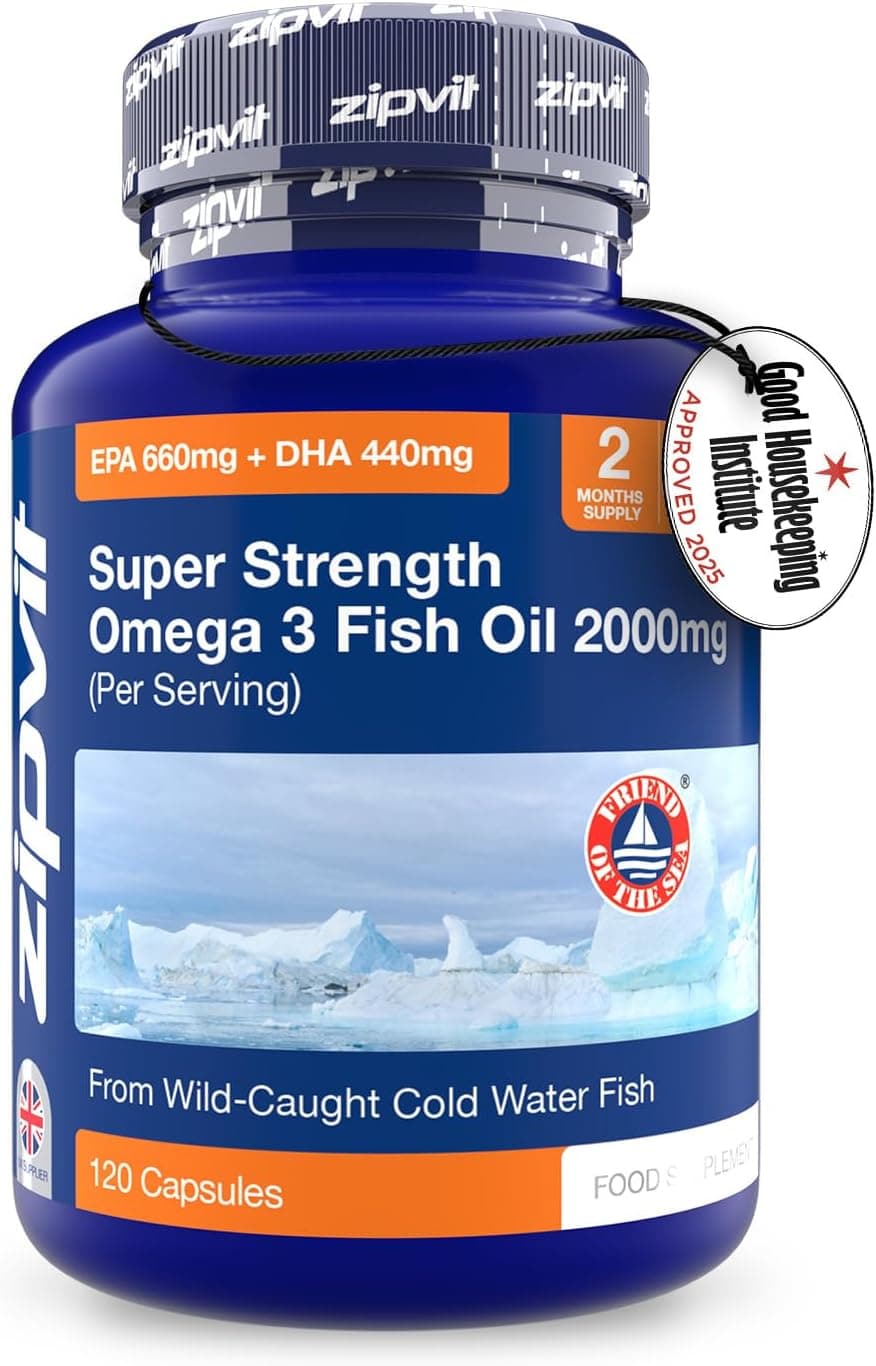
Blood levels of Omega-3 are lower in people with ADHD. By supplementing Omega-3, symptoms may improve, and medication dose could be reduced while keeping the same symptom control.
In Depth
When Omega-3 levels are low, brain cell membranes become rigid and 'sticky,' making it harder for dopamine receptors to signal effectively. Omega-3 also has anti-inflammatory properties; deficiency leads to increased 'brain noise' (random neural firing), making focus difficult. Supplementation has been shown to improve emotional control and reduce inattention over an 8-12 week period.
The Science
Omega-3 fatty acids, especially EPA, modulate dopaminergic signaling and reduce pro-inflammatory cytokines. Research shows individuals with ADHD often have 38% lower levels, and correcting this deficiency 'greases' the receptors, allowing for better signal transmission and potentially lower stimulant requirements.