Magnesium Glycinate vs Citrate for ADHD: Which Form Actually Works
Table of Contents
The Big Picture
Most people on ADHD medication are at least mildly deficient in magnesium. Stimulants increase its excretion through urine. The symptoms of magnesium deficiency overlap heavily with stimulant side effects: jaw clenching, muscle tension, poor sleep, and irritability. Supplementing makes sense. But the form you choose determines whether it actually helps or just causes digestive problems.
In Depth
Magnesium citrate is the most commonly sold form because it is cheap to manufacture. It absorbs reasonably well in the gut but it draws water into the intestines. At supplemental doses this produces a laxative effect that ranges from mild to significant depending on the person. For someone already dealing with appetite suppression from Adderall, adding digestive disruption is counterproductive.
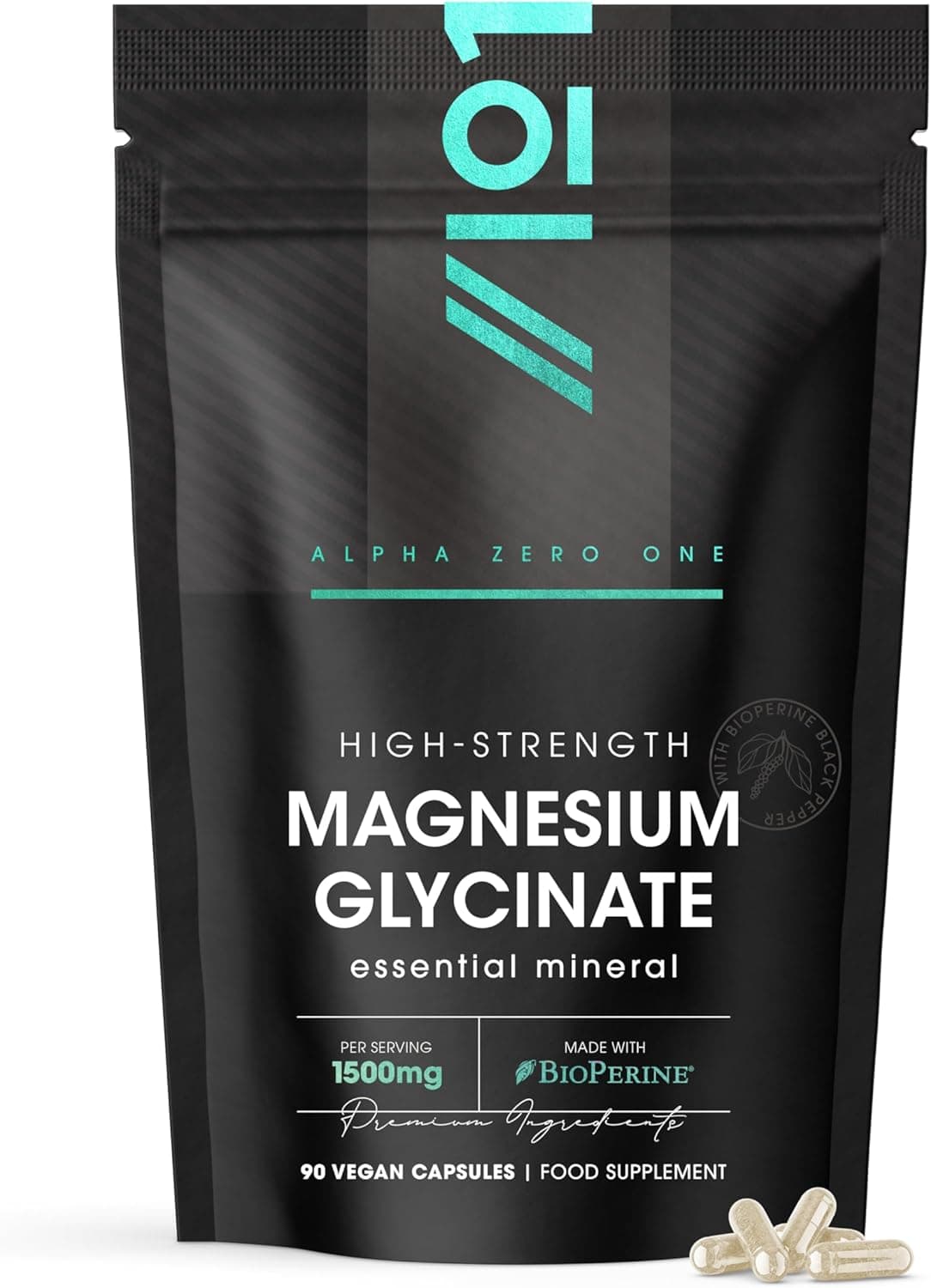
Magnesium glycinate is magnesium bound to the amino acid glycine. The glycine component has its own calming properties, which makes this form particularly useful for ADHD. It absorbs well without the osmotic effect. It does not cause loose stools at normal doses. And the glycine itself promotes GABA activity in the brain, which helps with the overstimulation and racing thoughts that many people experience on medication.
The dosage matters. Most adults need between 200mg and 400mg of elemental magnesium daily. Check the label carefully because companies often list the total weight of the compound rather than the actual magnesium content. A 500mg magnesium glycinate capsule contains roughly 70mg of elemental magnesium.
The Science
Take magnesium glycinate in the evening. The calming effect of glycine supports sleep onset, and splitting your dose from a morning stimulant reduces any theoretical competition for absorption. If you are currently on magnesium citrate and tolerating it well there is no urgent reason to switch. But if you experience any GI side effects, glycinate eliminates them almost immediately while delivering the same mineral your body needs.