
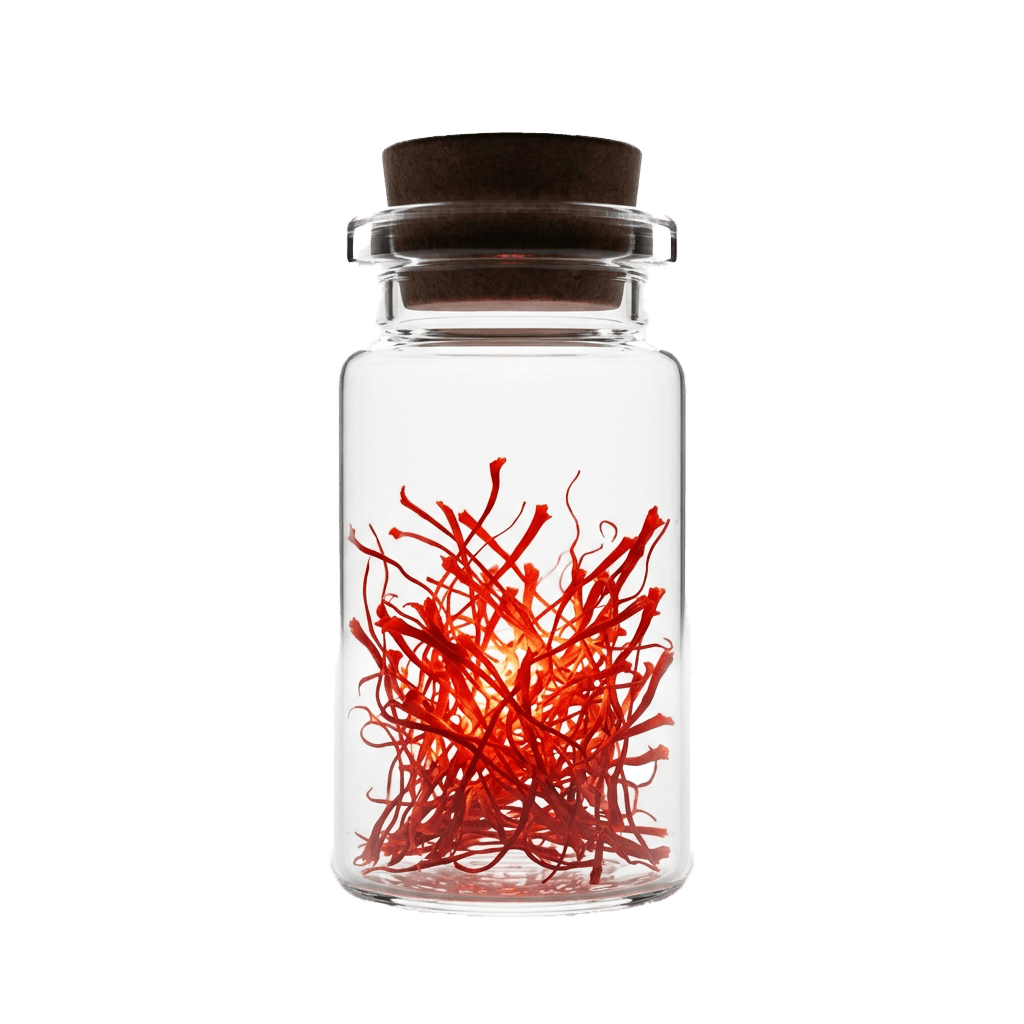
Does Saffron Help With ADHD? 2026 Science Breakdown
Table of Contents
Does Saffron Help With ADHD?
Yes, multiple clinical trials confirm that saffron significantly helps with ADHD symptoms. By acting as a natural reuptake inhibitor for dopamine and norepinephrine, a 30mg daily dose of standardized saffron extract has been proven to match the effectiveness of Ritalin (methylphenidate) for improving inattention and hyperactivity, without the severe cardiovascular side effects of traditional stimulants.
The Reality of Managing ADHD
You know the routine. You take your Vyvanse or Adderall in the morning, and for a few hours, the world feels clear. You can organize your tasks, hold a conversation, and follow through on complex projects. But then, the afternoon arrives. The clarity turns to irritability. Your focus fractures, and the emotional toll of the stimulant comedown makes you feel like a different person.
You might be looking for ways to smooth out these edges without adding more stimulants to your system. Perhaps you are concerned about your resting heart rate or the constant battle with appetite loss. This is where saffron, the vibrant red spice derived from the Crocus sativus flower, is changing the conversation for adults with ADHD. It is not just another herbal fad. It is a compound that has shown legitimate clinical weight in trials for cognitive function and emotional regulation.
How Does Saffron Help With ADHD in the Brain?
When we talk about ADHD medication, we talk about neurotransmitters. Specifically, we focus on dopamine and norepinephrine. These chemicals are the engines of your executive function. They help you initiate tasks, sustain attention, and regulate your impulses.
Saffron works through a different mechanism than the stimulants you get from a pharmacy. While Adderall forces the release of dopamine and prevents its reuptake, saffron appears to act as a natural reuptake inhibitor. It helps keep the dopamine, serotonin, and norepinephrine you already have in your synaptic cleft for longer.
Think of it as optimization rather than force. Because it modulates serotonin alongside dopamine, it provides a stabilizing effect. This is why many people report that their stimulant medication feels cleaner when they add saffron to their daily routine. It helps bridge the gap when your medication levels start to dip, preventing the sudden, sharp transition into fatigue.
Is Saffron as Effective as ADHD Medication?
Search engines and forums are flooded with people asking if natural alternatives can actually hold their own against pharmaceuticals. The scientific interest in saffron for ADHD is rooted in its ability to support the brain without the cardiovascular strain associated with traditional stimulants.
In several landmark studies, researchers compared saffron directly to methylphenidate, the active ingredient in Ritalin. The results were striking. In a 6-week randomized, double-blind clinical trial, patients given saffron showed the exact same reduction in both inattention and hyperactivity scores as those given methylphenidate.
You can learn more about how saffron works alongside prescription stimulants in our guide to combining saffron with Adderall.
The key takeaway from the clinical research is that saffron does not work instantly like a high-dose stimulant. It requires a cumulative effect. It needs time to modulate the neurochemical environment of your brain. Most clinical success stories come from participants who remained consistent for at least four weeks. This is not a quick rescue supplement, but a foundation for better executive health.
Why It Works Well With Stimulants
Integrating saffron into a regimen that already includes Vyvanse or Adderall is a common strategy for adults who want to lower their prescription dosage. If you find that your current dose is effective for focus but creates too much physical anxiety, saffron may allow you to achieve the same mental clarity at a lower, more manageable medication dose.
1. Smoothing the Comedown
The primary complaint for most adults on stimulants is the transition period at the end of the day. Saffron helps manage the emotional volatility that accompanies the drop in stimulant levels. By maintaining steadier levels of serotonin, it prevents the irritability that can derail your evening.
2. Neuroprotection and Inflammation
Chronic stress and the systemic effects of stimulants can cause oxidative stress in the brain. Saffron is rich in crocin and safranal, two potent antioxidants. These compounds help combat neuroinflammation. A less inflamed brain is a more efficient brain. This is why many users report that while their medication handles the raw speed of their focus, saffron handles the quality of their mood and mental energy.
3. Avoiding the Stimulant Jitters
If your medication makes your heart race, you are likely feeling the physical impact of norepinephrine overload. Saffron does not push your cardiovascular system in the same way. It offers a subtle, sustained lift that does not contribute to the physical restlessness that often forces people to stop their medication entirely.
Practical Steps: Dosage and Timing
Consistency is the most important factor in your success. Because saffron builds up in your system, you cannot take it once and expect a miracle. To maximize your results, you must follow a disciplined approach.
For most adults, the effective therapeutic range falls between 30mg and 88mg per day. Many people find success splitting this dose: half in the morning with their stimulant and half in the early afternoon to prevent the typical crash window.
We have compiled the exact protocols based on the current clinical data in our guide, Saffron for ADHD: The Exact Dose and Timing That Matches the Research.
Potential Drawbacks and Considerations
While saffron is natural, it is also potent. It is not a supplement you should take haphazardly.
- Quality Control: Not all saffron extracts are created equal. You need a standardized extract that guarantees a specific percentage of crocin and safranal. Buying generic kitchen saffron will not give you the clinical results seen in the studies, as the active compound concentrations are far too low and inconsistent.
- Drug Interactions: Because saffron impacts serotonin, you must be careful if you are taking SSRIs, SNRIs, or other antidepressants. The combination could potentially lead to serotonin syndrome, which is a medical emergency. Always consult your prescribing physician before adding any supplement to a cocktail of psychiatric medications.
- Hypotension: Because saffron can have a mild blood pressure lowering effect, individuals who already struggle with low blood pressure should monitor their physical symptoms during the first few weeks of use.
- Digestive Sensitivity: While it does not suppress appetite like Vyvanse, some users report mild stomach upset when taking saffron on an empty stomach. If this happens to you, try taking it with a small, protein-rich snack.
A Balanced Approach to Executive Function
Saffron is not a magic bullet that replaces the need for behavioral therapy or the right medication. Instead, it is a tool for refinement. If you feel like your current treatment plan is 80% there but the remaining 20 percent (the mood swings, the afternoon burnout, and the physical intensity) is holding you back, saffron offers a scientifically grounded way to bridge the gap.
Your ADHD management should be a dynamic, evolving process. What worked for you two years ago might not be the right path for your life today. By looking at supplements like saffron through the lens of clinical research, you can make informed decisions that respect your body and optimize your brain function.
When you decide to start, track your results. Keep a simple log of your mood, your focus, and your physical energy levels at the three o'clock mark each day. You will likely find that after a month, the sharp peaks and valleys of your day have mellowed into a more sustainable, productive rhythm. That is the true goal of managing ADHD, allowing you to focus on your work without feeling like you are losing yourself in the process.
Citations
Related Guides & Supplements
Saffron for ADHD: The Exact Dose and Timing That Matches the Research
Clinical studies on saffron for ADHD consistently use dosages between 20mg and 30mg daily. Here is how to find a standardized extract that actually works for executive function.
Saffron and Adderall: Does the Mood Boost Outweigh the Risk?
Many people use saffron to manage the Adderall crash or boost their focus naturally. Understanding how these two substances interact with serotonin and dopamine is essential for safety.
The Evidence-Based ADHD Supplement Stack (No Hype)
Most supplement marketing in the ADHD space overpromises significantly. This ranking is based entirely on what clinical trials actually show.
Strattera Without Enough Dopamine Tone. Saffron Adds What Is Missing
Combining Strattera with Saffron offers a unique way to smooth out the cognitive edges of non-stimulant ADHD treatment.
Ashwagandha for ADHD: Does It Actually Work?
Stimulants raise cortisol alongside dopamine. Ashwagandha is one of the few supplements with clinical evidence for reducing exactly that stress response.
Does NAC Help With ADHD? The Science of Stimulant Crashes
Does NAC help with ADHD? Yes. By regulating glutamate, NAC targets the specific brain chemical responsible for stimulant crashes, skin picking, and afternoon anxiety.