Vyvanse Jaw Clenching and Tension: The Magnesium Fix
Table of Contents
If you take Vyvanse, you likely need a magnesium supplement. Stimulant medications heavily tax the central nervous system, which rapidly burns through your body's magnesium reserves. The first signs of this depletion are typically bruxism (jaw clenching), tight shoulders, and difficulty falling asleep.
Scientific analysis reveals that magnesium plays a necessary role in neurological functioning, and low concentrations are directly linked to hyperexcitability and tension.
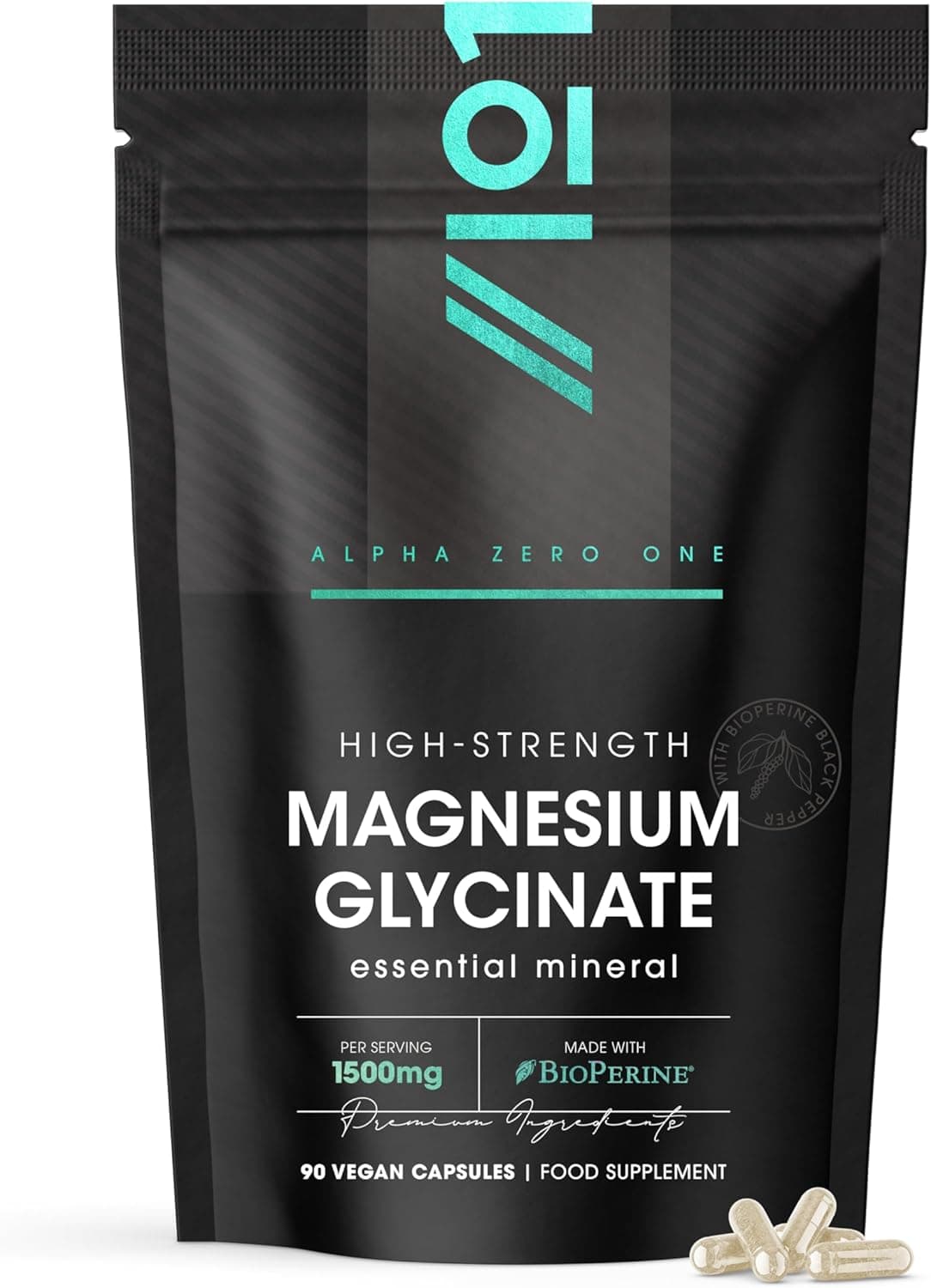
Choose Magnesium Glycinate
You must use the correct form of magnesium. Magnesium oxide and magnesium citrate have poor bioavailability and act primarily as laxatives. You should use magnesium glycinate instead. Glycinate is highly bioavailable, crosses the blood-brain barrier effectively, and contains glycine, an amino acid that naturally promotes deep sleep.
The NMDA Receptor Connection
Beyond physical relaxation, magnesium acts as a natural antagonist to the NMDA receptor. When taking amphetamines like Vyvanse long-term, calcium ions flood the NMDA receptor, contributing to medication tolerance. Adequate magnesium levels block this calcium influx, which may help preserve the medication's effectiveness over a longer period.
Dosage Timing
Do not take magnesium in the morning with your Vyvanse. Because it is highly alkaline, it can theoretically alter stomach pH and disrupt the exact absorption rate of your medication.
The optimal strategy is taking 200mg to 400mg of magnesium glycinate one hour before bed. This protocol forces your nervous system to relax, clears out the residual muscle tension from the day, and directly combats the insomnia caused by late-afternoon stimulant curves.